
 English
  繁體中文
繁體中文 
Product Pipeline
TaiRx is committed to developing innovative therapies that address significant unmet medical needs. The Company’s pipeline spans the full spectrum of drug development, from preclinical research to late-stage clinical trials, with one product already having received marketing approval. The portfolio includes novel small-molecule drugs, antibody-based therapeutics, and reformulated drugs with improved dosage forms. Through a strategic and diversified portfolio approach, TaiRx seeks to balance development risk and product value while supporting the Company’s short-, mid-, and long-term growth objectives.
TaiRx’s R&D team integrates multidisciplinary expertise across biology, pharmacology, toxicology, pharmacokinetics, clinical medicine, biostatistics, chemistry, manufacturing and controls (CMC), and regulatory affairs. This integrated approach enables the Company to advance each stage with scientific rigor while maintaining development efficiency. TaiRx’s product pipeline is outlined below:
Product
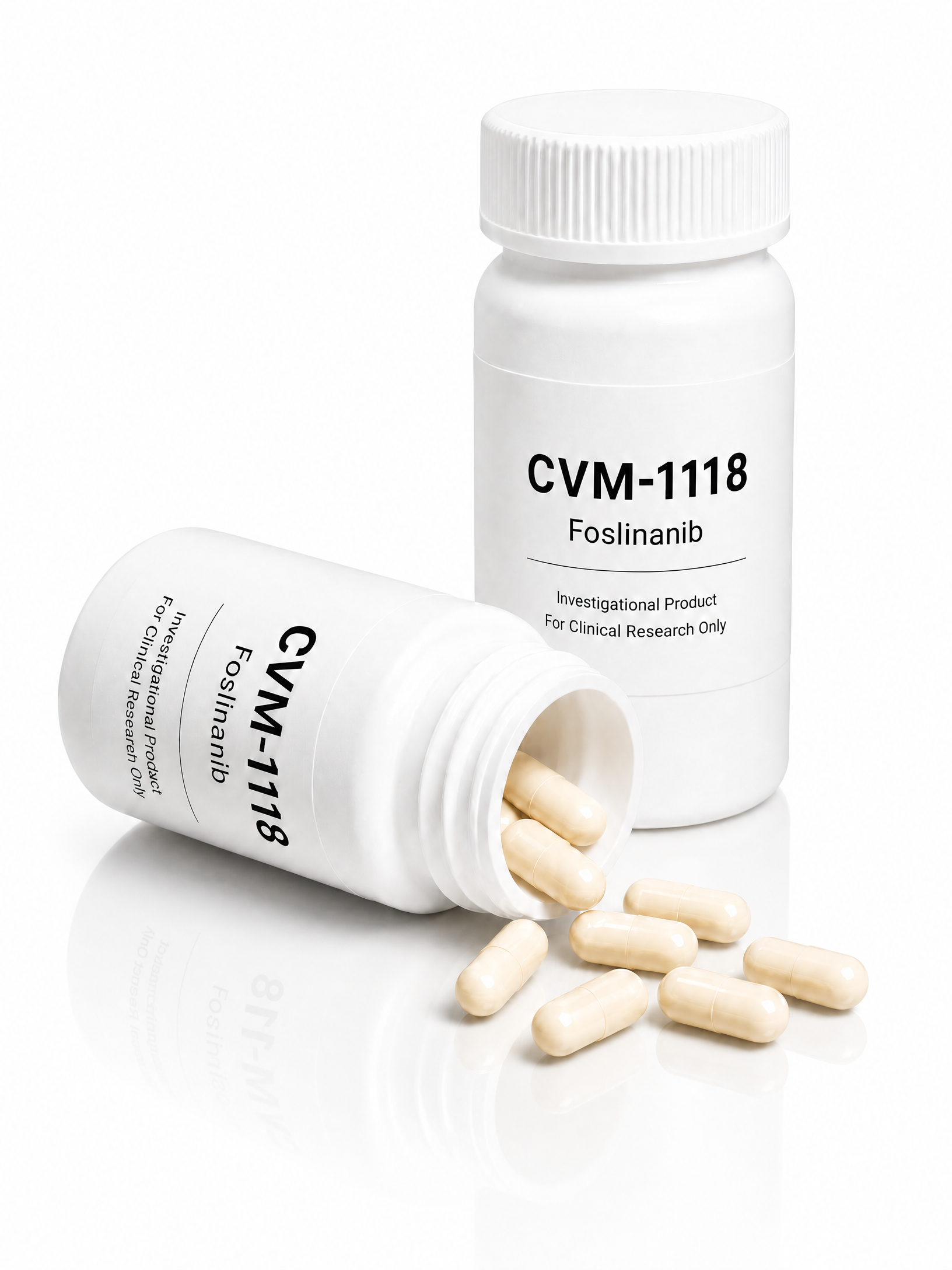
CVM-1118
Oncology (Novel Small Molecule)
CVM-1118 (Foslinanib) is a novel synthetic small molecule with a differentiated mechanism of action targeting cancer-associated pathways. CVM-1118 has been shown to modulate Tumor Necrosis Factor Receptor-Associated Protein 1 (TRAP1), a mitochondrial chaperone protein involved in cancer cell metabolism, survival, and treatment resistance.
CVM-1118 also inhibits vasculogenic mimicry (VM), a tumor-associated vascularization mechanism implicated in tumor progression, metastasis, and treatment resistance. This distinctive VM-inhibitory activity supports the potential of CVM-1118 as a first-in-class therapeutic. In 2016, Science highlighted CVM-1118 as “the first drug that targets vasculogenic mimicry to reach clinical trials” (Science 352: 1381-1383, 2016 “Tumor’s DIY Blood Vessels”).
As a next-generation oral anticancer drug candidate, CVM-1118 combines the convenience of oral administration with therapeutic potential across multiple tumor types, including breast, ovarian, and colorectal cancer, neuroendocrine tumors (NETs), and hepatocellular carcinoma (HCC). CVM-1118 is protected by broad worldwide patent coverage and has completed Phase I clinical studies in the United States and Taiwan. Results from these studies demonstrated that CVM-1118 was generally well tolerated and established its maximum tolerated dose (MTD).
Building on the Phase I results and its pharmacological profile, CVM-1118 has advanced into Phase II clinical development in two oncology indications. In HCC, CVM-1118 is being evaluated in combination with immunotherapy as a potential treatment option. In advanced NETs, CVM-1118 has been evaluated as monotherapy in a Phase II study, with encouraging efficacy signals observed.
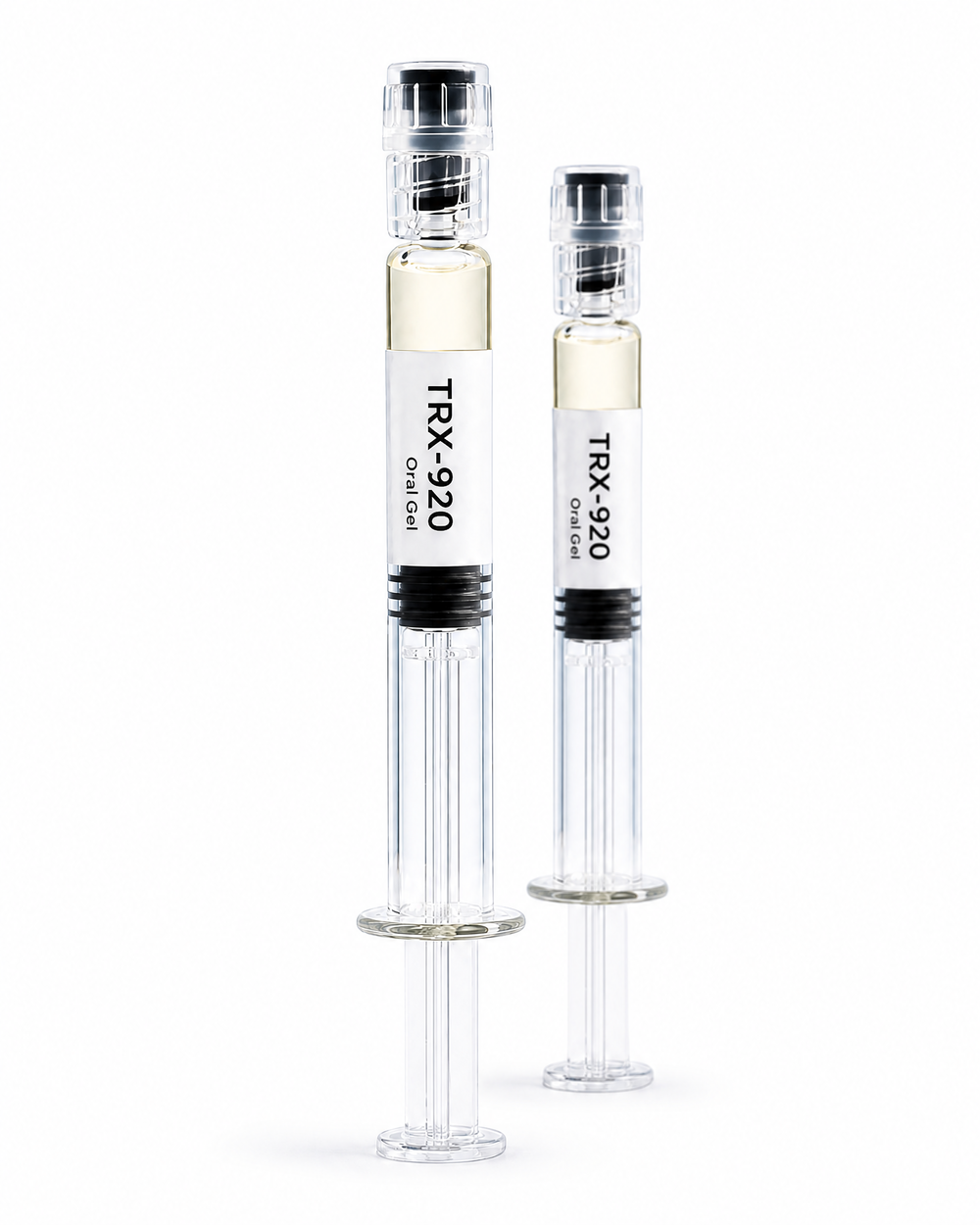
TRX-920
Oncology ( Novel Oral Formulation)
Irinotecan (CPT-11) is an approved chemotherapeutic agent used in the treatment of colorectal and pancreatic cancers. Administered intravenously, irinotecan is often associated with significant treatment-related adverse effects that may negatively impact patients’ tolerability and quality of life.
SN-38 is the primary active metabolite of irinotecan, while TRX-920 is an innovative oral formulation developed to deliver SN-38 directly. Since the conversion of irinotecan to SN-38 in humans is limited (<5%), while SN-38 is substantially more potent than its parent compound, irinotecan, direct oral delivery of SN-38 through TRX-920 may enhance exposure to the active drug in tumor tissues.
TRX-920 is designed to reduce the need for high-dose irinotecan while maintaining therapeutic activity, with the potential to improve dosing convenience and reduce treatment-related adverse effects. TRX-920 has advanced into Phase I clinical development.
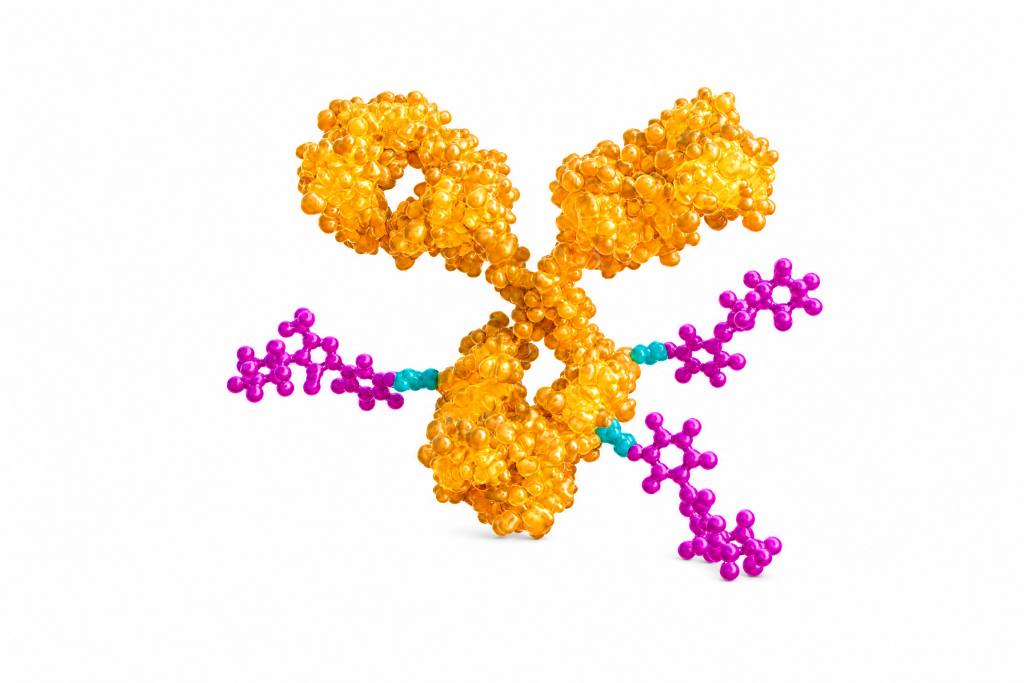
TRX-ADC
Oncology (Antibody-Drug Conjugates)
The TRX-ADC platform utilizes targeted antibodies to deliver CVM-1125, the active metabolite of CVM-1118, directly to tumor cells, combining the specificity of antibody-based targeting with the potent anticancer activity of a small-molecule payload. Preclinical studies in animal tumor models have demonstrated the feasibility of using CVM-1125 as an antibody-drug conjugate (ADC) payload.
Through optimization of linker design and selection of appropriate targeting antibodies, the TRX-ADC platform is designed to enhance the selective delivery of CVM-1125 to tumor cells and further expand the therapeutic potential of CVM-1125 as a novel ADC payload. Multiple combinations of antibodies, linkers, and drug-to-antibody ratios (DARs) are currently being evaluated to further optimize the performance of the platform.
TaiRx has also filed patent applications in major global markets to support the development of the TRX-ADC portfolio and to protect the TRX-ADC portfolio and support its global development and partnering opportunities.
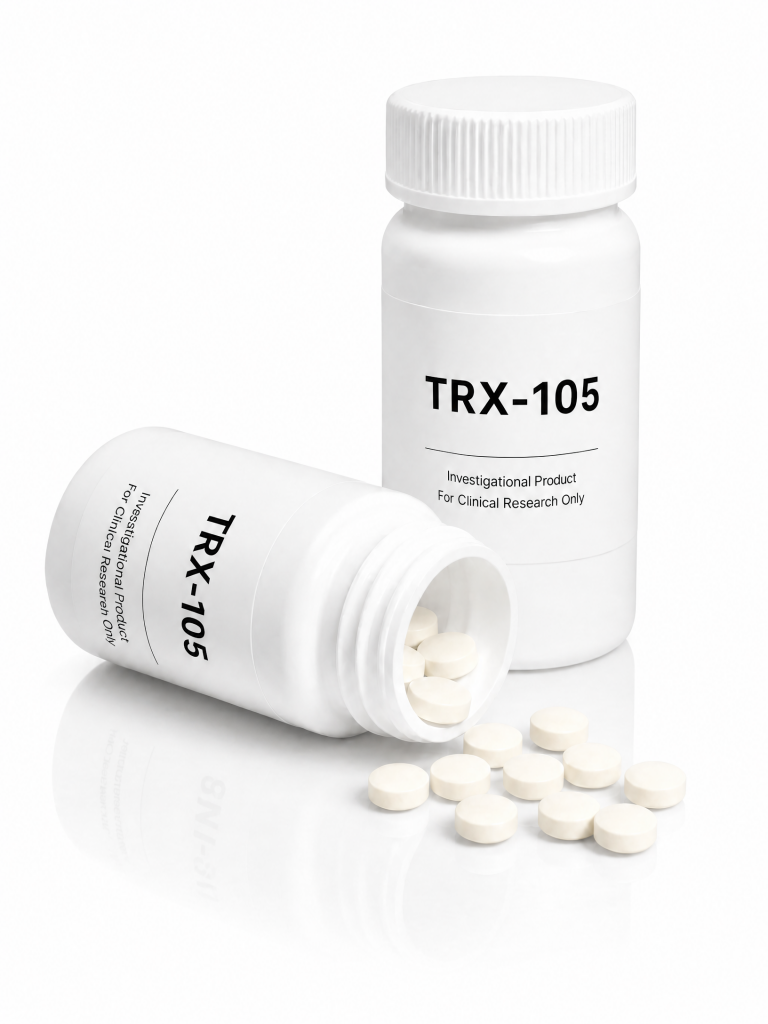
TRX-105
Gastrointestinal Inflammation (New Indication)
TRX-105 is a known small molecule being developed for new therapeutic indications in the treatment of various types of colitis and inflammatory gastrointestinal disorders. In a preclinical animal model of acute colitis, TRX-105 demonstrated superior activity compared with mesalazine in reducing colonic inflammation and intestinal ulceration, while also promoting the repair of the damaged intestinal mucosal barrier. These findings suggest that TRX-105 has the potential to promote intestinal mucosal healing associated with colitis.
Based on its pharmacological properties, TRX-105 may offer therapeutic benefits across multiple inflammatory gastrointestinal conditions, including colitis, enterocolitis, immune-related colitis and chemotherapy-induced colitis, potentially providing a new treatment option for patients. TRX-105 has completed the development of a Colon-targeting formulation and the preclinical program.
TRX-NOC
Oncology (Antibody Drug)
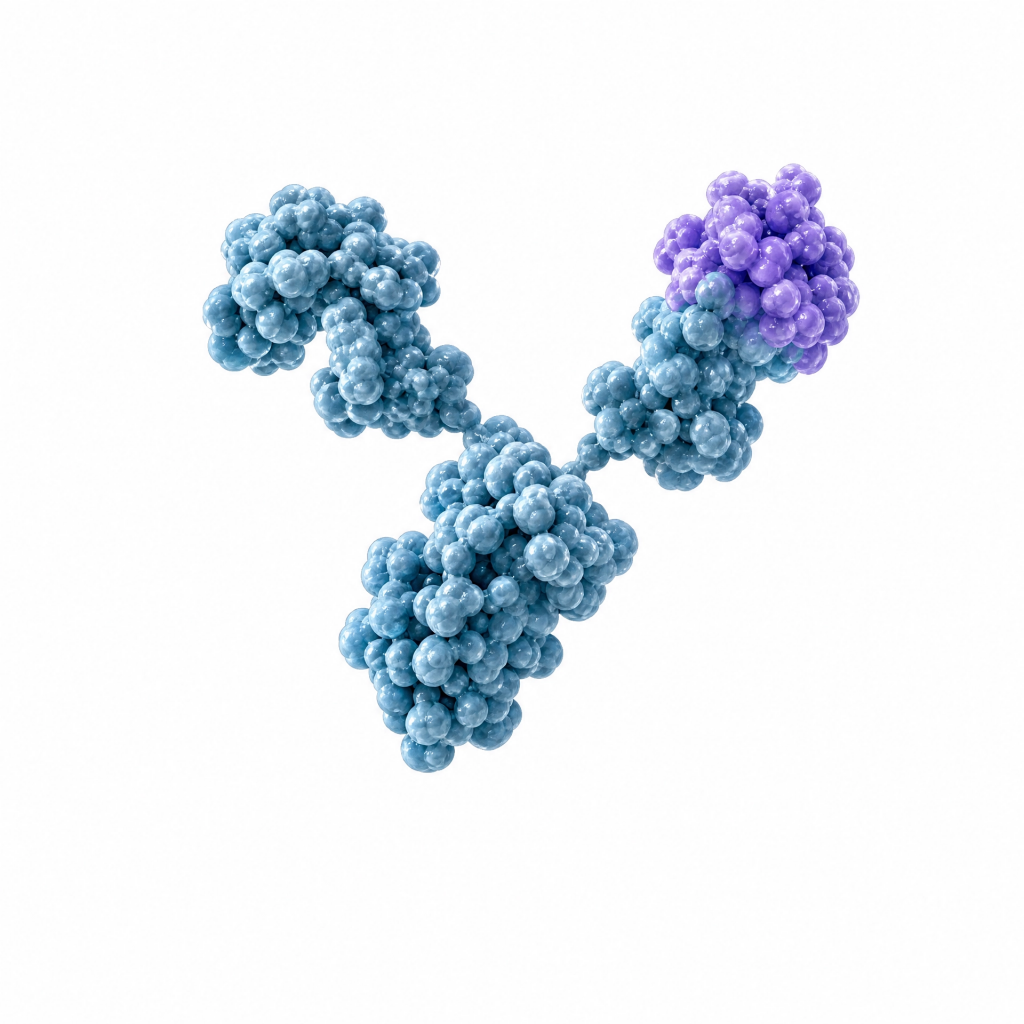
Nodal, an embryonic morphogen belonging to the TGF-β superfamily, plays an important role in regulating signaling pathways during embryonic development and in maintaining the pluripotency of embryonic stem cells. While Nodal expression is normally low or absent in most adult tissues, it has been reported to be re-expressed at elevated levels in multiple malignancies, including melanoma, breast cancer, pancreatic cancer and hepatocellular carcinoma.
Preclinical research has demonstrated that Nodal signaling is involved in tumor growth and vasculogenic mimicry (VM) formation and may contribute to tumor metastasis and disease progression. In addition, Nodal has been detected in cancer stem cell (CSC) populations and has been associated with their self-renewal and invasive properties. Clinical studies have shown that elevated Nodal expression is associated with poor prognosis. These findings support Nodal as a potential therapeutic target, particularly in tumors that are resistant to currently available therapies.
TaiRx has licensed a portfolio of Nodal-related patents from Northwestern University in the USA. Building on this intellectual property portfolio, the TRX-NOC program is focused on developing Nodal-targeted antibody therapeutics as a novel biologic therapy for cancer treatment.
Zelnite®
Selenium Deficiency (Intravenous Injection)
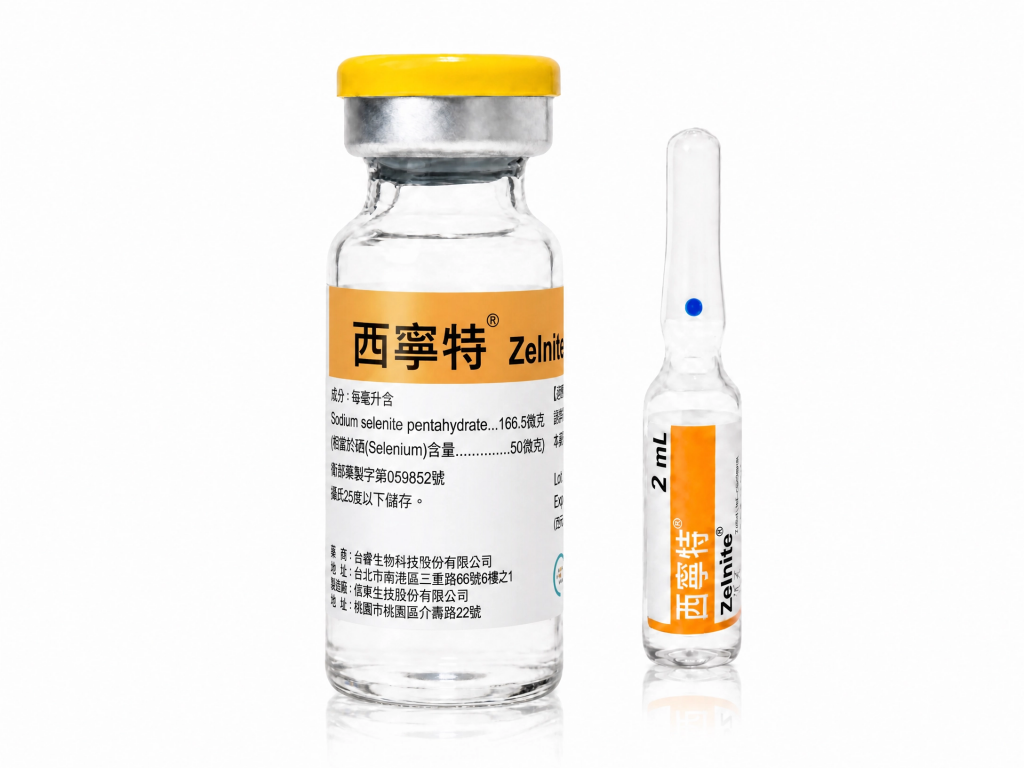
Zelnite® is an injectable selenium product indicated for the treatment of selenium deficiency and the prevention of selenium deficiency in patients receiving parenteral nutrition. Zelnite® received marketing approval from the Taiwan Food and Drug Administration (TFDA) in 2018, initially in a 100 μg/2 mL ampoule presentation.
To further expand the clinical applications of injectable selenium, TaiRx developed a high-dose selenium injection (Rexis®, 500 μg/10 mL) and conducted the Phase III CARE-SEPS study at seven major medical centers in Taiwan to evaluate its safety and clinical benefits as an adjunctive treatment in patients with sepsis. The study demonstrated that high-dose selenium injection was well tolerated with a favorable safety profile. The study also found that selenium deficiency was common among patients with sepsis and that high-dose selenium injection rapidly restored low selenium levels, with a potential clinical benefit in reducing the length of hospital stay.
Results from the Phase III CARE-SEPS study were published in the international journal Medical Research Archives in February 2024. The findings showed that severe selenium deficiency was associated with poorer clinical outcomes in patients with sepsis, while restoration of serum selenium levels was associated with improved survival outcomes and lower organ failure scores. Based on the safety and clinical data generated from the Phase III study, TaiRx subsequently applied for approval of an additional higher-strength presentation of Zelnite®. In May 2024, the TFDA approved the 500 μg/10 mL presentation, providing an additional dosing option to address the needs of patients with severe selenium deficiency.
Progress
| Asset | Program Category | Indication / Regimen | Discovery | Preclinical | Phase 1 | Phase 2 | Phase 3 | NDA |
|---|---|---|---|---|---|---|---|---|
|
CVM-1118
foslinanib
|
NCE
Small molecule
Targeting vasculogenic mimicry |
Advanced NET
Monotherapy
|
|
|||||
|
Advanced HCC
+ nivolumab
|
|
|||||||
|
Intermediate HCC
+ sintilimab + TACE
|
|
|||||||
TRX-920 |
505(b)(2) |
Solid tumors |
|
|||||
TRX-105 |
505(b)(2) |
Colitis |
|
|||||
TRX-NOC |
Biologics |
Cancer |
|
|||||
TRX-ADC |
Biologics |
Cancer |
|
|||||
| Product | Product Type | Indication | Development Path | Approved Market |
|---|---|---|---|---|
|
Zelnite®
2 mL ampoule / 10 mL vial
|
Selenium (Se)
supplement
|
Prevention & Treatment of
Se Deficiency in Patients
Receiving PN
|
NCE-2 Registration · Bridging Waived
CMC + Real World Clinical Evidence
Dose range & product configuration expansion |
Taiwan
2 mL TFDA approved in 2018
10 mL TFDA approved in 2024 |